
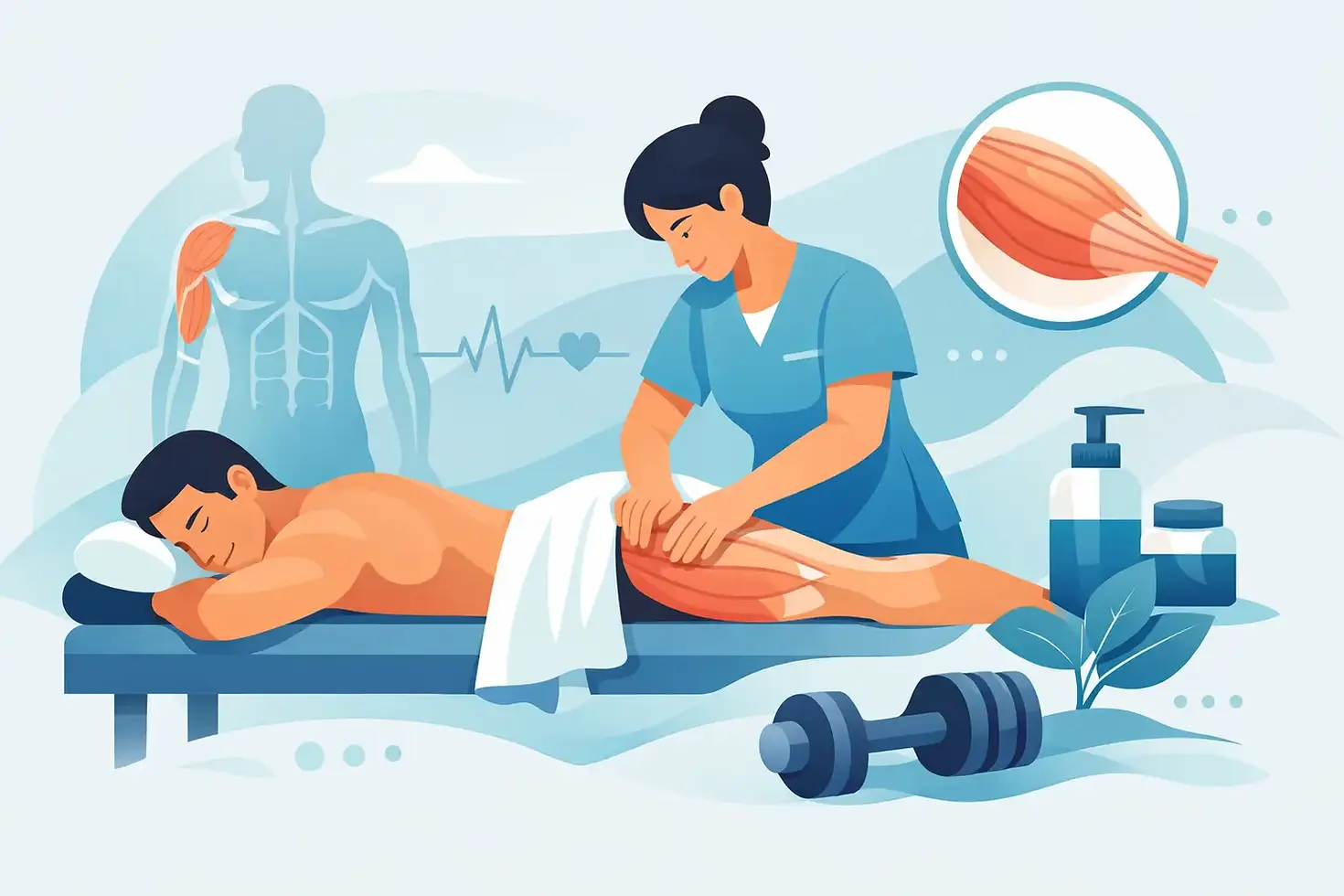
Medical Massage for Muscle Recovery
- antonio bianco
- Apr 23
- 5 min read

When your body feels strong but not fully restored, performance starts to slip in subtle ways. A workout that should feel smooth feels tight. Sleep is lighter. Stiffness lingers longer than it should. Medical massage for muscle recovery is designed for that in-between space - when you are not injured enough for acute intervention, but not comfortable enough to ignore what your body is telling you.
Unlike a relaxation-focused massage, medical massage is more precise in both intent and technique. The goal is not simply to help you feel better for an hour. It is to address muscular tension patterns, support tissue recovery, improve circulation, and help restore movement quality so your body can perform, train, and recover at a higher level.
What makes medical massage different
The difference starts with purpose. A traditional spa massage may prioritize general relaxation, stress relief, and a calming experience. A medical massage is outcome-driven. It is typically customized around specific areas of strain, post-exercise soreness, repetitive-use tension, limited mobility, or recovery after physically demanding routines.
That does not mean the experience has to feel clinical in a cold or impersonal way. In the right setting, it can be both therapeutic and elevated - structured around measurable results while still delivering the sense of care and refinement clients expect from a premium wellness environment.
The techniques used may vary depending on what your body needs. One session may focus on trigger points in the shoulders and upper back from long hours at a desk. Another may address tight hip flexors, calves, and glutes after tennis, golf, strength training, or running. Pressure is only one part of the equation. Timing, tissue response, and strategic treatment planning matter just as much.
How medical massage for muscle recovery supports healing
Muscle recovery is not only about waiting for soreness to pass. It involves circulation, nervous system regulation, tissue mobility, and how efficiently your muscles return to normal function after strain. Medical massage for muscle recovery can support each of those processes.
Improved circulation is one of the most immediate benefits. Targeted soft tissue work can encourage blood flow to overworked areas, which helps deliver oxygen and nutrients while assisting the body’s natural recovery process. For clients who train regularly or maintain active lifestyles, this can translate to less lingering heaviness and a smoother return to movement.
There is also the effect on muscular tension. After repetitive activity or intense exercise, muscles may remain guarded or shortened longer than necessary. That residual tightness can alter mechanics and force other areas to compensate. A precise massage approach can reduce that tension and help restore more balanced movement patterns before they become a larger issue.
The nervous system plays a role as well. Not all muscle tightness is purely structural. Stress, poor sleep, travel, and demanding schedules can all amplify physical tension. Medical massage can help shift the body out of a prolonged stress response, which may improve recovery quality overall. For many clients, the result is not just less soreness, but a greater sense of physical ease.
Who benefits most from this approach
This treatment is a strong fit for people who expect a lot from their bodies, even if they are not elite athletes. That includes professionals who split time between high-performance workouts and long workdays, golf and tennis enthusiasts, runners, strength-training clients, and anyone dealing with recurring muscular tightness that affects comfort or mobility.
It is also valuable for those whose lifestyle creates low-grade strain over time. Sitting for hours, frequent travel, poor posture, and stress-related tension can leave the body feeling constantly compressed. You may not call it an injury, but your body still has to recover from it.
Age and fitness level matter less than consistency of demand. Someone who does Pilates three times a week and plays pickleball on weekends may benefit just as much as someone training intensely in a gym. The common thread is simple - your muscles are being asked to perform, and they need support that is more targeted than a standard relaxation service.
Where soreness ends and dysfunction begins
Normal muscle soreness tends to improve within a few days. It may feel tender, heavy, or stiff, but it gradually resolves. The issue becomes more significant when discomfort keeps returning in the same area, range of motion starts to narrow, or one side of the body consistently feels more restricted than the other.
That is often where medical massage becomes especially useful. It can identify and address patterns that a client may notice but not fully understand. For example, recurring neck tightness may actually be linked to shoulder mechanics and upper back restriction. Hamstring tension may have more to do with hips and glutes than the hamstrings themselves.
This is why personalization matters. Effective recovery is rarely about treating the loudest area only. It is about understanding what is driving the tension and how to intervene without overstimulating already sensitive tissue.
What to expect from a session
A well-designed session should begin with a conversation about how your body feels, where you are experiencing restriction, what your recent activity level has been, and whether there are any known injuries or health considerations. That information shapes the treatment.
From there, the massage therapist may combine several techniques depending on your needs. Some areas may benefit from deeper, slower pressure to release chronic tightness. Others may respond better to more moderate work that improves circulation without aggravating soreness. Recovery is not always helped by the deepest possible pressure. In some cases, aggressive treatment can leave tissue more irritated, not less.
The best sessions are responsive. If a muscle is inflamed, freshly overworked, or unusually reactive, a skilled provider will adapt. The point is not to force release. It is to create meaningful change in tissue quality and comfort while respecting what your body can tolerate productively.
At a luxury wellness destination such as Eden Med Spa, that clinical precision is enhanced by a calmer, more refined experience overall. For many clients, that combination matters. When care feels personalized, unhurried, and expertly guided, it becomes easier to stay consistent with recovery instead of treating it as an afterthought.
How often should you book medical massage for muscle recovery?
It depends on your goals, training frequency, and current level of tension. For some clients, scheduling sessions around periods of heavier physical demand works well. Others benefit more from ongoing maintenance every few weeks, especially if muscle tightness is affecting posture, sleep, or exercise performance.
There is no universal formula. A person preparing for an event, returning to exercise after time away, or managing chronic tightness from travel and work may need a different rhythm than someone looking for occasional support. What matters is consistency over intensity. A smart recovery plan usually outperforms a reactive one.
It also helps to think of massage as one part of a broader strategy. Hydration, sleep quality, mobility work, and exercise programming all influence how well your muscles recover. Medical massage can enhance those efforts, but it should not be asked to compensate for every recovery deficit on its own.
When medical massage may not be the right fit
There are times when caution is necessary. If you have sudden swelling, severe pain, unexplained bruising, acute injury, fever, or symptoms that suggest something more serious than muscular tension, massage may need to wait until you have been properly evaluated.
Even within muscle recovery, timing matters. Very intense work immediately after extreme exertion is not always ideal. Some bodies respond better to gentler circulation-focused treatment first, followed by more targeted work later. That is another reason individualized care matters more than a one-size-fits-all protocol.
The value of expert-guided recovery
High performers often put careful thought into training, nutrition, aesthetics, and longevity. Recovery deserves the same level of attention. When muscle tightness is treated early and strategically, it can help protect movement quality, improve comfort, and support a more resilient body over time.
Medical massage for muscle recovery is not just about temporary relief. At its best, it is part of a more sophisticated wellness approach - one that respects how closely performance, comfort, and confidence are connected. If your body has been asking for more than rest alone, that is usually worth listening to.


Comments