
PDO Threads for Jawline: What to Expect
- antonio bianco
- Apr 18
- 5 min read

A softer jawline tends to show up before many people expect it. You may notice it in photos first - a little extra heaviness near the jowls, less separation between the face and neck, or a profile that no longer looks as crisp as it once did. For many clients, PDO threads for jawline definition offer a middle ground between fillers and surgery, with visible lift, subtle structure, and very little interruption to daily life.
What PDO threads for jawline treatment actually does
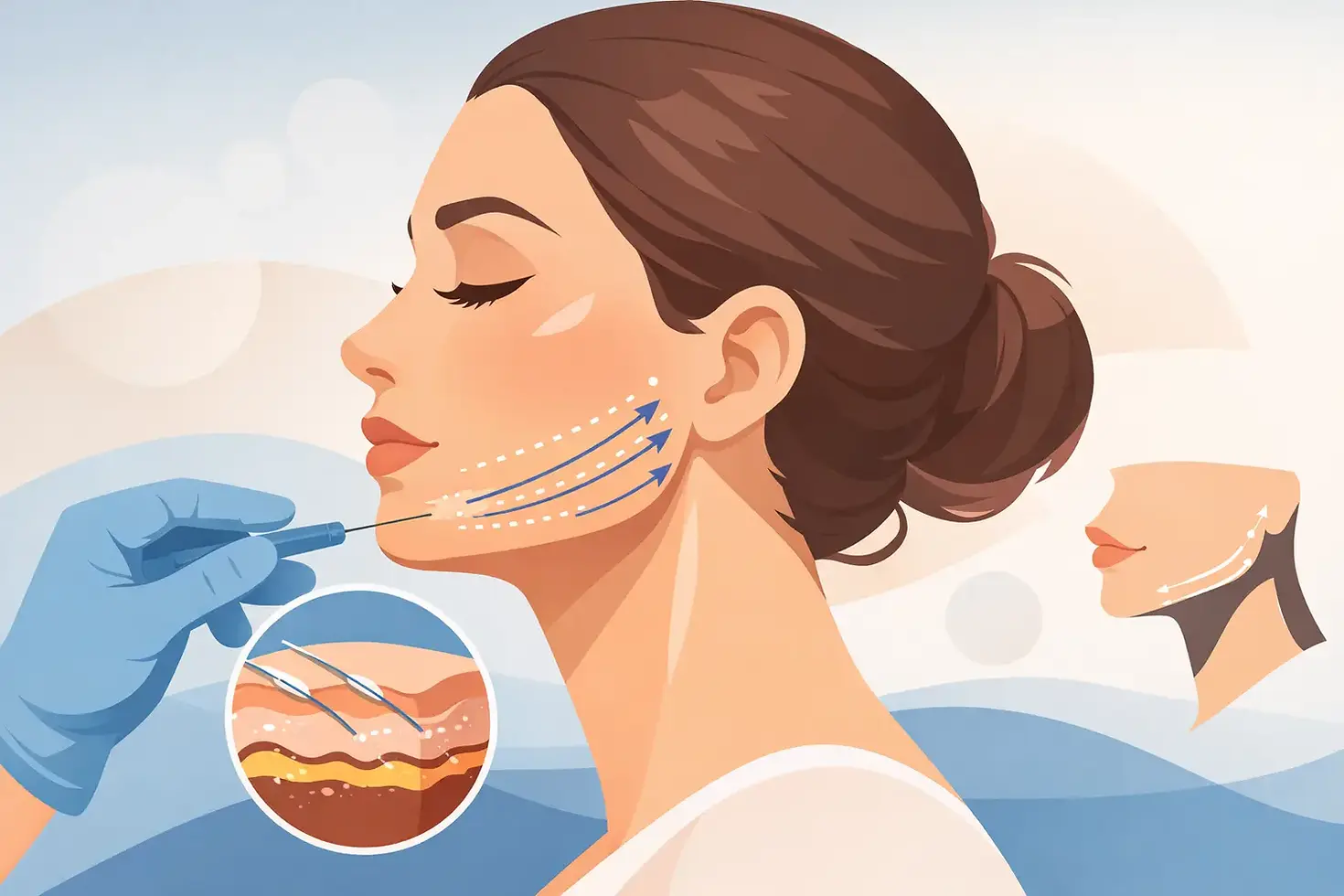
PDO threads are dissolvable sutures placed beneath the skin to create support and encourage collagen production over time. When used along the jawline, they can help lift mild sagging, soften early jowls, and improve the overall contour of the lower face.
This treatment is not about making the face look tight or overdone. The goal is refinement. A well-planned thread lift can restore a cleaner line from the chin toward the ear while preserving natural expression and movement.
That is also why the consultation matters so much. Jawline concerns are not all the same. Some people need lift, some need volume support, and some have skin laxity that may respond better to another treatment entirely.
Who is a good candidate for PDO threads for jawline concerns
The best candidates usually have mild to moderate skin laxity and want improvement without surgery. If your lower face has started to descend slightly but your skin still has decent elasticity, threads can be a strong option.
This treatment often appeals to clients who want a more defined profile but are not ready for a facelift. It can also suit people who have tried skincare and energy-based treatments yet still want more visible support along the jawline.
Age alone is not the deciding factor. A younger client with early jowling may be a better candidate than an older client with significant laxity. Skin quality, facial anatomy, and your goals all matter.
Threads may be less ideal if the concern is primarily excess fat under the chin, very heavy jowls, or advanced skin looseness. In those cases, another treatment plan may create a better result. An honest assessment is part of quality care.
What results look like
One reason jawline threads remain so popular is that they can produce both an immediate and a gradual effect. Right after treatment, there is often a visible lift because the threads physically reposition tissue. Over the next several weeks and months, collagen stimulation helps support the area further.
Results usually look elegant rather than dramatic. You may notice a firmer outline, less heaviness near the corners of the mouth and jowls, and a smoother transition from the lower face into the neck. Friends may comment that you look refreshed or more sculpted without pinpointing exactly why.
That said, expectations need to stay realistic. PDO threads can improve contour, but they do not replicate surgical results. If someone wants a major change, threads may feel too subtle. For the right client, though, subtle is exactly the point.
The treatment experience
Jawline threading is typically performed in the office and does not require general anesthesia. After the area is cleansed and numbed, the provider places the threads strategically beneath the skin using a fine cannula or needle.
Most clients describe the experience as manageable rather than painful. You may feel pressure, tugging, or brief moments of discomfort, but the numbing process makes the treatment quite tolerable.
The appointment itself is generally straightforward. Precision matters more than speed, especially in a high-visibility area like the lower face. A tailored approach tends to create the most balanced and natural-looking outcome.
Downtime and recovery
Recovery is one of the main reasons people consider threads in the first place. There is usually some swelling, tenderness, and bruising afterward, especially in the first few days. You may also feel tightness when chewing or making larger facial expressions.
Most people return to normal routines fairly quickly, though social downtime can depend on how easily you bruise. It is wise to avoid strenuous exercise, facial massages, aggressive skincare, and sleeping on your side for a short period after treatment.
The first week is often when clients are most aware of the threads. Minor asymmetry, puckering, or tightness can happen early on and often settles as the tissue relaxes. This is another reason provider skill matters - proper placement and thoughtful aftercare guidance make a noticeable difference.
How long jawline threads last
PDO threads are not permanent. The threads themselves dissolve over time, but the collagen response they trigger can extend the visible benefit. Many clients enjoy results for around 9 to 18 months, depending on thread type, age, skin condition, and lifestyle.
Movement in the lower face can affect longevity. Weight fluctuations, sun exposure, smoking, and natural aging also play a role. Some clients choose maintenance treatments to preserve definition over time.
There is no single timeline that fits everyone. If you are seeking a treatment that can be refreshed as your face changes, threads can be appealing. If you want a one-time long-term correction, surgery may be the better route.
PDO threads vs filler for the jawline
This is where treatment planning becomes more nuanced. Filler adds volume and structure. Threads lift and support tissue. They can sometimes complement each other, but they are not interchangeable.
If the jawline looks weak because of lost definition along the bone or chin, filler may help create sharper architecture. If the issue is descent and mild jowling, threads may address the cause more directly. In some cases, using too much filler to treat sagging can make the lower face look heavier instead of more refined.
A sophisticated result often comes from choosing the right tool for the right reason. That is especially true in the jawline, where balance and restraint matter.
Why provider expertise matters so much
Jawline treatments are unforgiving. Small changes can have a big effect on overall facial harmony, and poor placement can lead to visible irregularities or underwhelming results.
A skilled medical provider evaluates more than loose skin. They assess facial proportions, skin thickness, degree of laxity, and whether the neck, chin, or midface also contribute to the concern. That wider view helps create a result that looks polished, not pieced together.
In a luxury medical spa setting, the experience should also feel considered from start to finish. Clients want more than a procedure. They want a treatment plan that respects their features, timeline, and comfort level. At Eden Med Spa, that personalized approach is part of what makes aesthetic care feel elevated rather than transactional.
Questions worth asking before you book
If you are considering threads, ask how many jawline thread treatments your provider performs and what type of results they typically see in someone with your anatomy. Ask what kind of downtime to expect, how long your result may last, and whether another treatment could better match your goals.
It is also smart to ask what happens if your result is subtle. Sometimes subtle is a success. Sometimes it means a different plan was needed. A strong consultation should make that distinction clear before treatment begins.
Is it worth it?
For the right candidate, yes. PDO threads for jawline refinement can offer a meaningful improvement with less downtime than surgery and more lift than skincare alone. They are especially appealing for clients who want to look fresher, firmer, and more defined without looking obviously treated.
The key is not whether threads are trendy. It is whether they fit your face, your goals, and your tolerance for maintenance. When chosen thoughtfully and performed well, they can be one of the most elegant ways to restore definition where aging often shows first.
If your jawline no longer reflects how vibrant you feel, a consultation can tell you whether threads are the right next step - and sometimes that clarity is just as valuable as the treatment itself.


Comments